Company
Lime
Timeframe
5 months
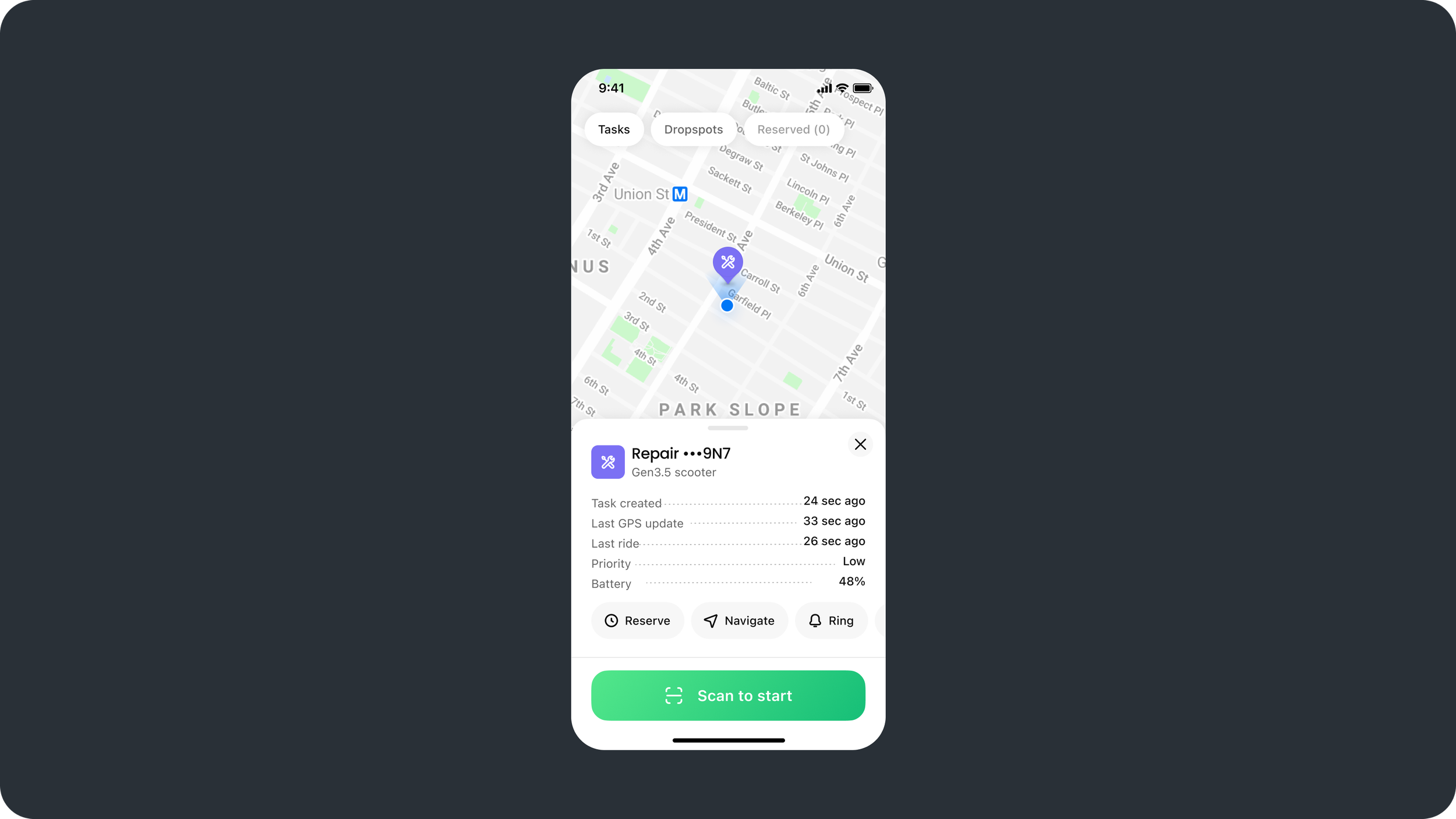
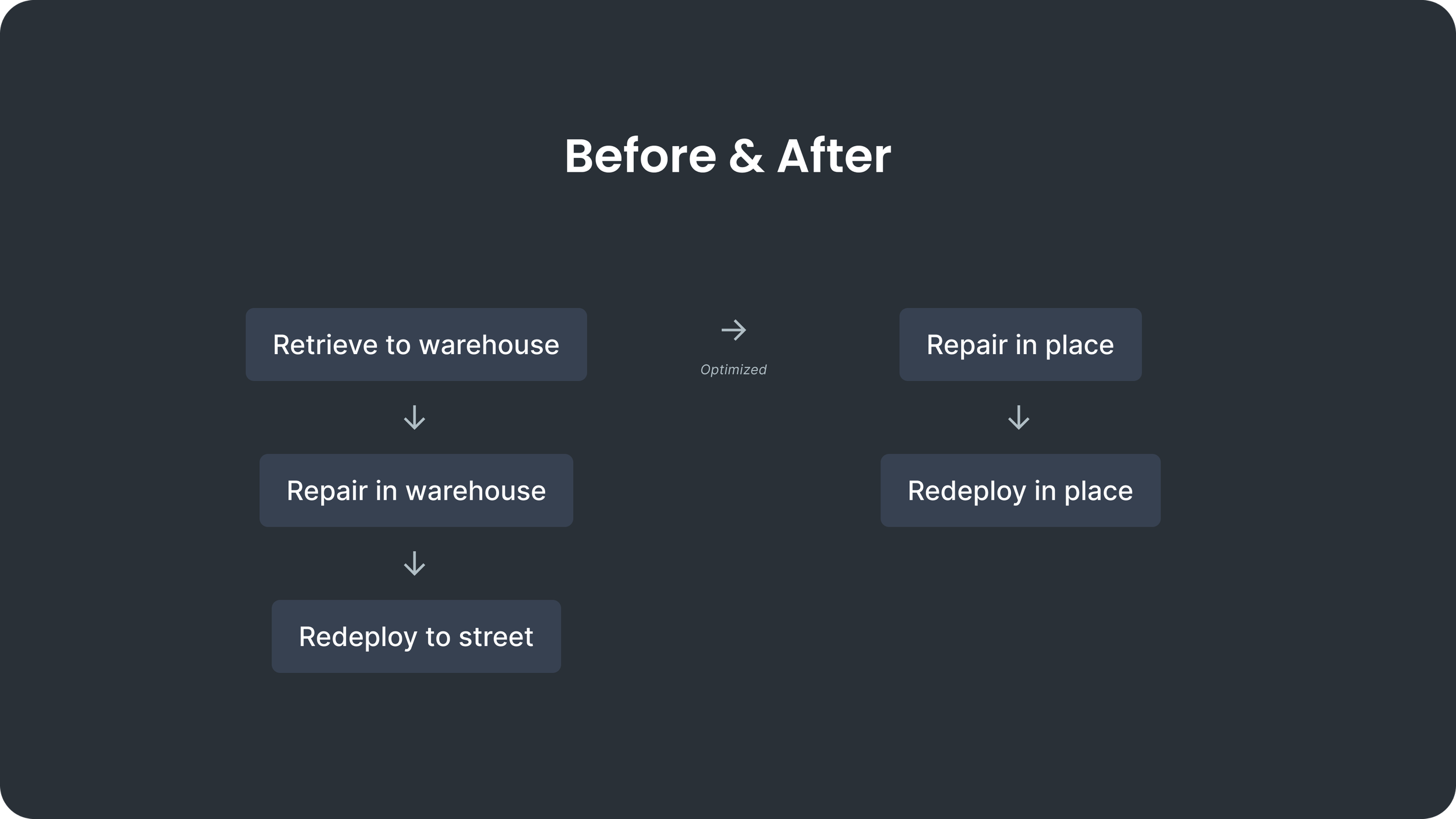
Every repair used to follow the same path: retrieve the vehicle, bring it to the warehouse, wait for a mechanic. But many issues were minor enough to fix on the spot, and retrieval was both expensive and kept vehicles off the street longer. Lime wanted Logistics Partners to perform basic repairs in the field instead, but the current system wasn't set up for it.
What I did
I audited the existing repair flow mechanics used in the Warehouse App and found it was far more complex than what Operators would need out in the field. Working with Operations stakeholders and Product, I distilled the repair flow down to only what was essential, since the field would only support a limited set of basic repair types compared to a full warehouse repair.
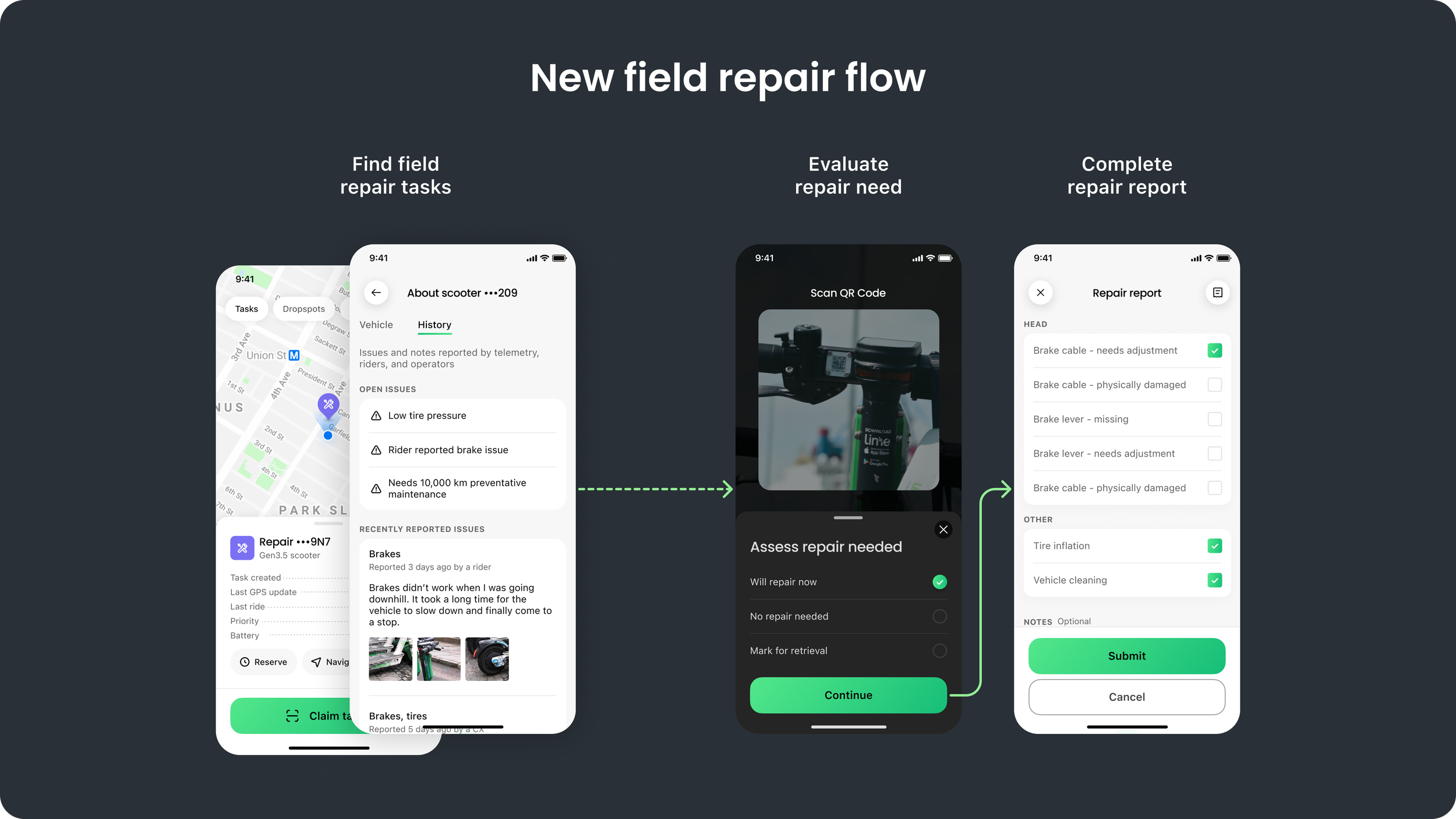
I designed a new repair flow for the Supply App so Operators could intuitively find and complete only the repair tasks they were qualified for. Introducing this task type added real complexity underneath the surface, changes to how tasks were generated, who had permission to work on them, and how completions were reported, but none of that was allowed to show. The goal was an experience that felt as familiar and seamless as anything already in the Supply App.
The outcome
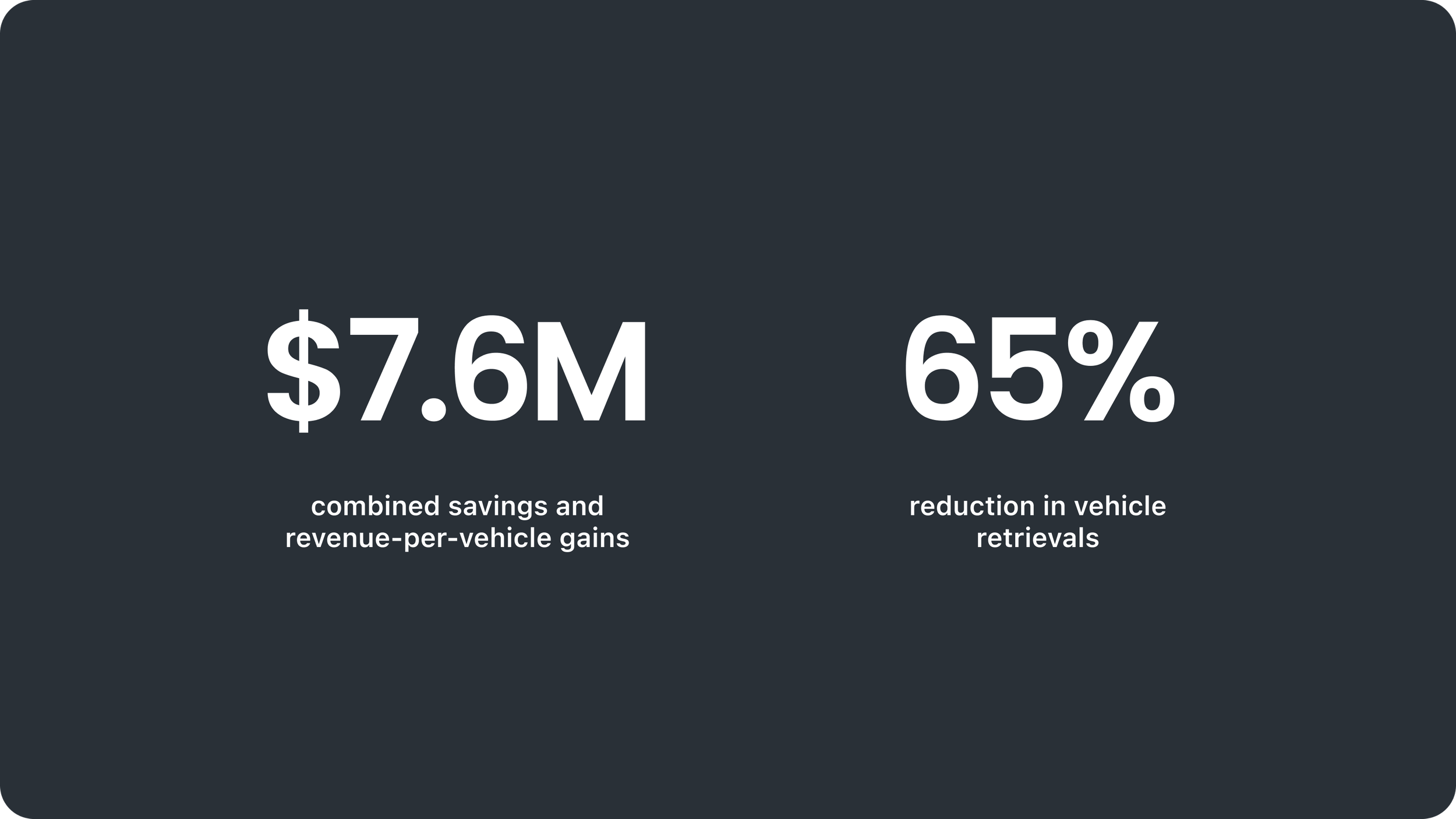
A manual, 6-month-plus pilot in the existing ops app cut retrievals by 65.6%. Based on that, the team projected up to $3.6M in combined savings and revenue-per-vehicle gains once the first release of the new feature rolled out globally. The actual results beat that: $7.6M in combined savings and revenue-per-vehicle gains, while holding a 4.15-out-of-5 post-repair rating, and it did this while still only live in a limited set of markets.
Key takeaways
[Your reflection goes here. One thread worth considering: the hardest design problem was making a system with real complexity underneath, new permissions, new reporting, feel completely invisible to the person using it.]